
USB charging technology has evolved rapidly from simple power delivery to an intelligent, high-speed ecosystem that supports modern digital lifestyles. As devices multiply and power demands increase, users now expect faster charging, universal compatibility, and safer energy management across smartphones, laptops, wearables, and smart accessories.
“Technology should fade into the background, empowering people effortlessly; when charging becomes faster, smarter, and universal, devices stop competing for power and start collaborating, enabling creativity, productivity, and connection everywhere across industries and everyday life.”
One of the most significant trends shaping USB charging today is the widespread adoption of USB-C and USB Power Delivery (USB-PD). USB-C has become the global standard due to its reversible design and ability to handle both data and power efficiently. USB-PD pushes this further by dynamically negotiating power requirements between devices, delivering up to 240W in its latest version. This makes it possible to charge laptops, monitors, and even small appliances using a single cable, reducing clutter and improving convenience.
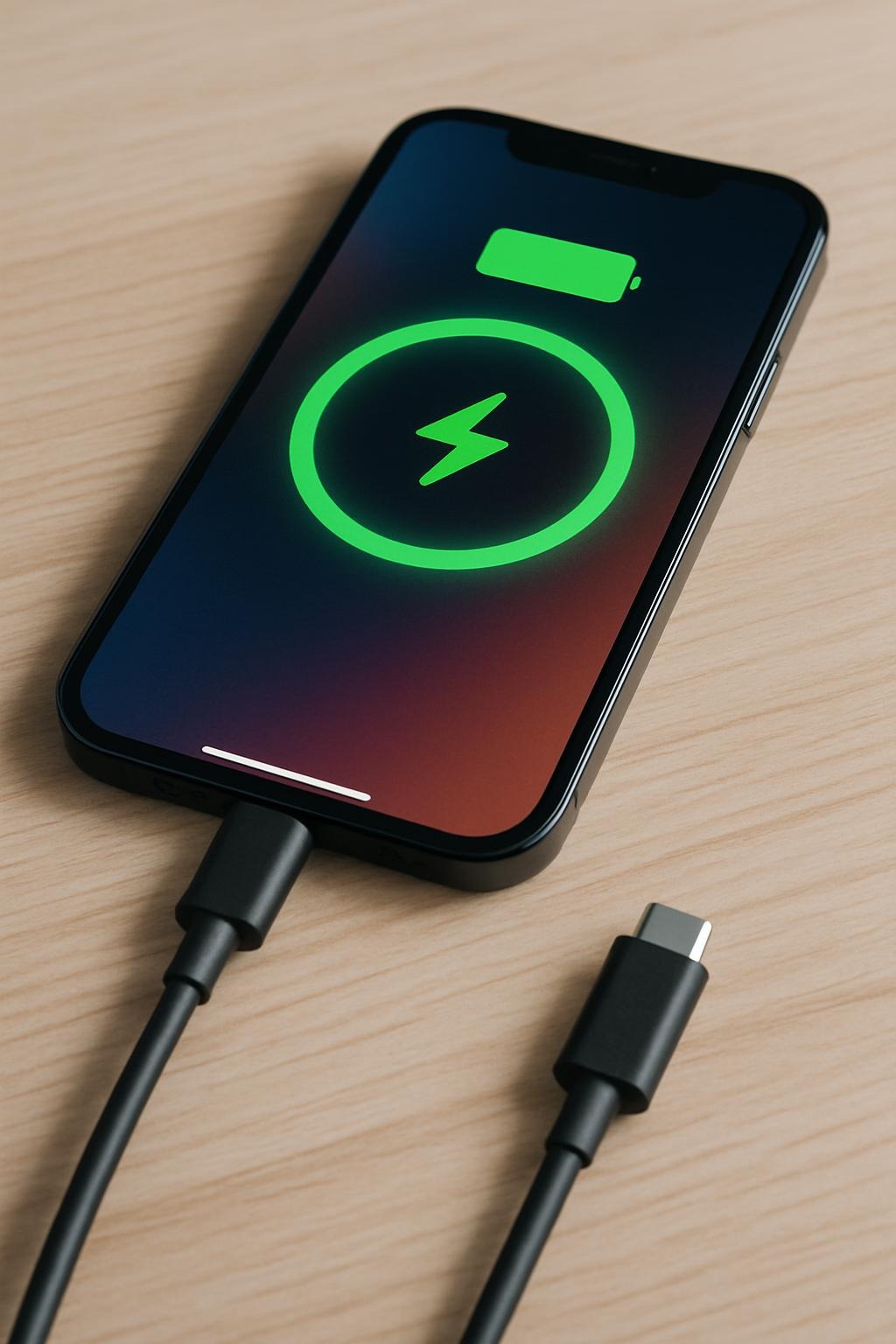
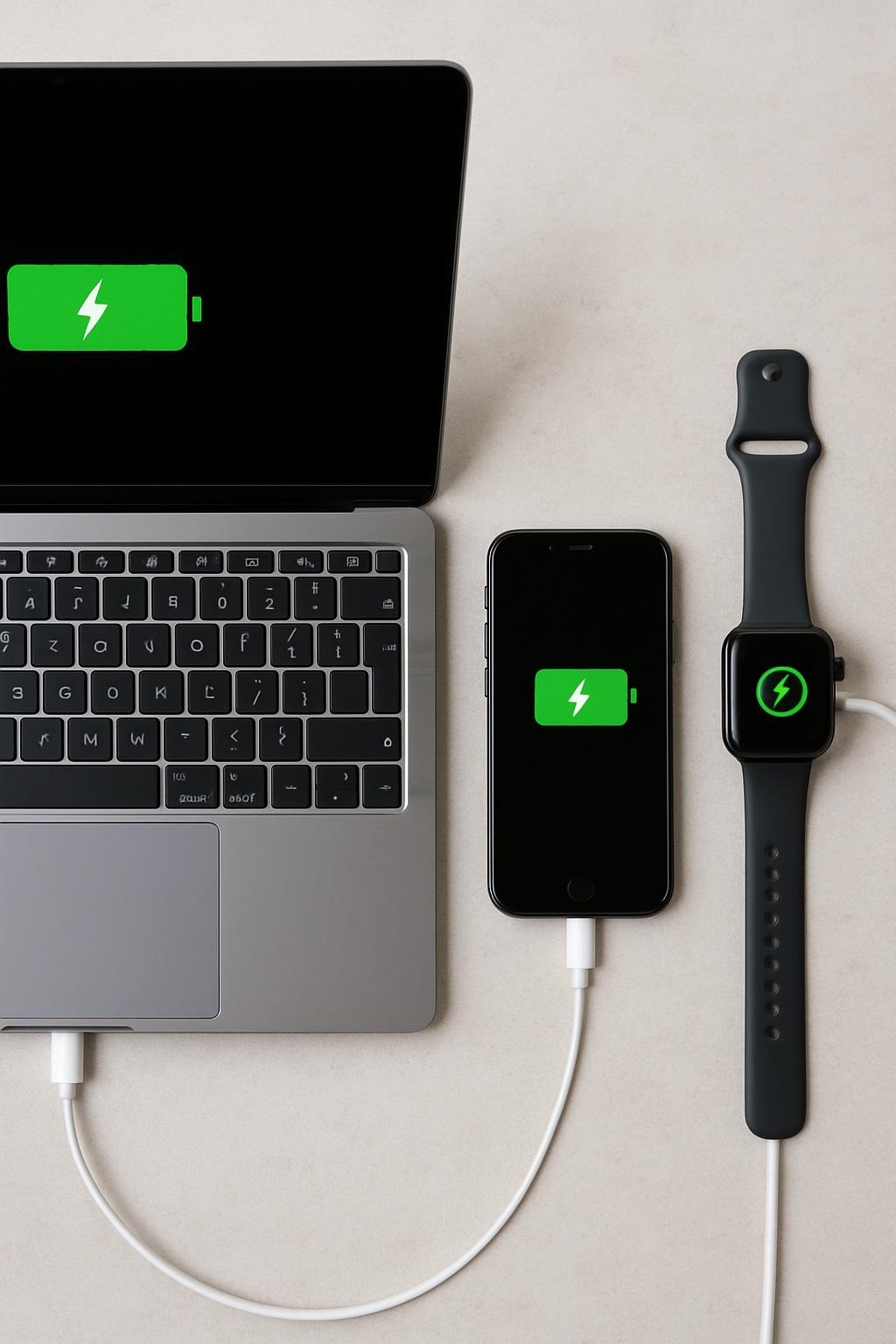
Another major development is the rise of fast-charging and smart-charging technologies. Brands now integrate advanced power management chips that monitor temperature, voltage, and device health in real time. Technologies such as Programmable Power Supply (PPS) allow chargers to adjust output incrementally, improving efficiency while minimizing heat and battery degradation. At the same time, GaN (Gallium Nitride) chargers are replacing traditional silicon, enabling smaller, lighter adapters that deliver higher power with better energy efficiency.
Sustainability is also influencing USB charging innovation. Universal charging standards help reduce electronic waste by limiting the need for proprietary chargers. Manufacturers are increasingly shipping devices without power adapters, encouraging reuse and supporting eco-friendly goals. Wireless and multi-port chargers further reduce material use while enhancing user convenience across multiple devices.
Wrapping Up
In conclusion, USB charging technology is no longer just about powering devices—it’s about speed, intelligence, safety, and sustainability. As standards continue to mature and adoption grows, users can expect a simpler, more connected, and energy-efficient charging experience that keeps pace with the future of technology.