
The 3.5mm headphone jack has been a nearly universal gateway between us and sound for decades, yet much of its history and quirks go largely unnoticed. Invented as part of the “phone connector” family in the mid-20th century, this tiny trio of metal contacts helped standardize how we listen to music across devices — from transistor radios and Walkmans to TVs, laptops, and even musical instruments. Despite its widespread use, many people don’t realize how this humble connector has shaped the audio landscape or why it remains relevant even as wireless tech advances.
“The 3.5mm audio jack, first widely used in the 1960s, became the default for portable audio and has endured decades of digital disruption — a testament to its resilient design and universal compatibility.” — Wired (paraphrased)
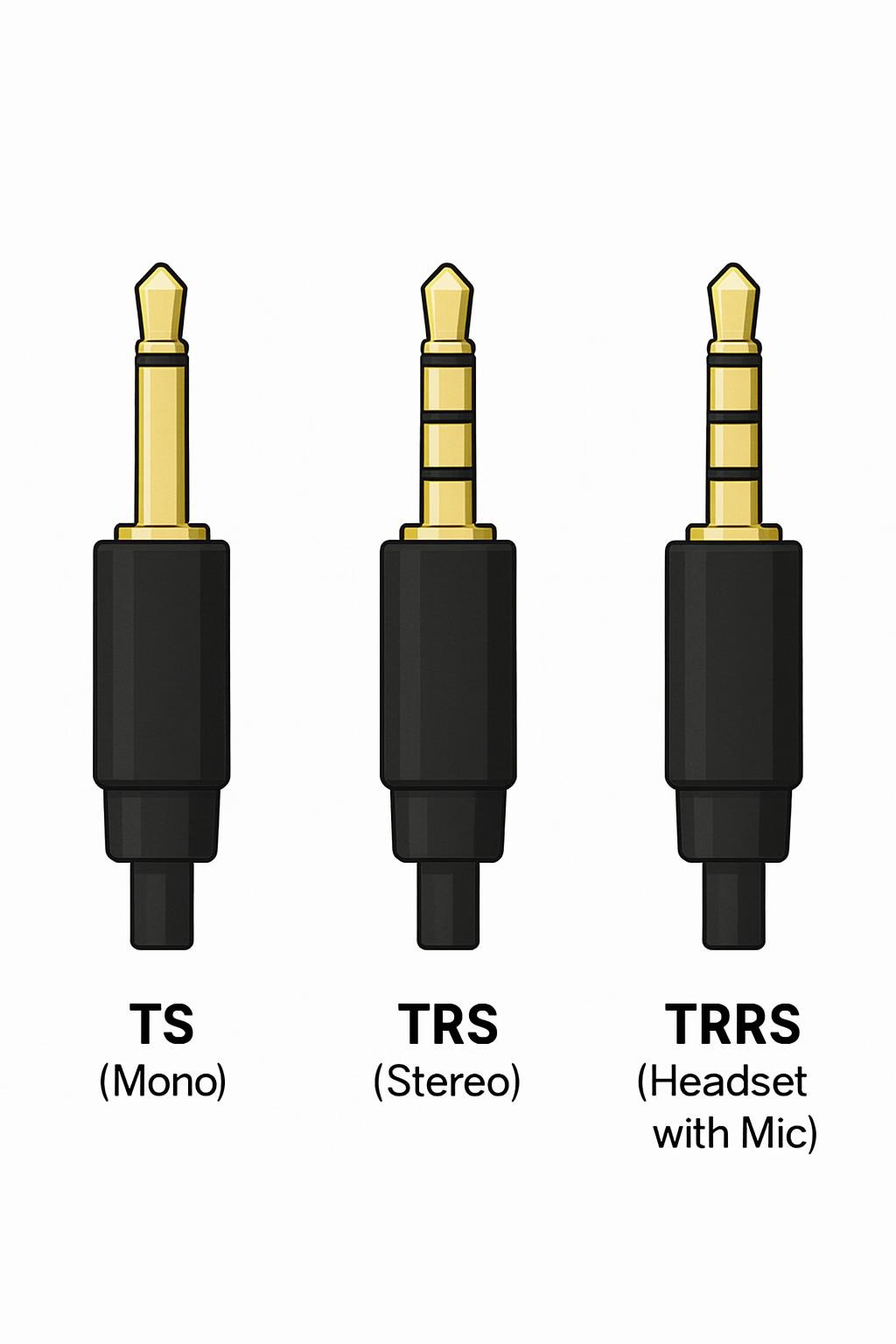
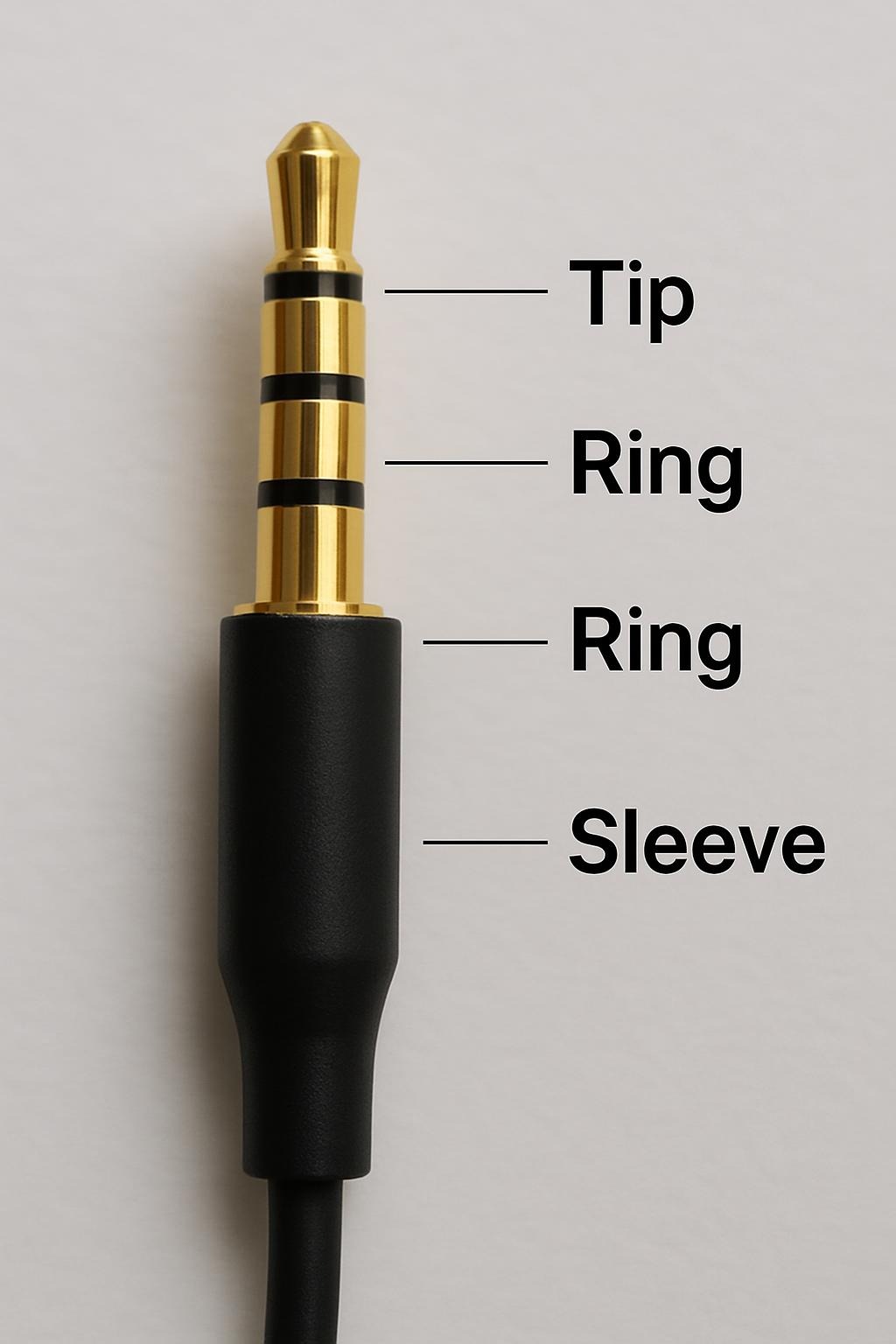
Behind its simple appearance is a clever electrical design: the 3.5mm plug comes in different conductor formats — TS, TRS, and TRRS — denoting how many signals it carries. The standard TRS format supports stereo sound (left and right channels plus ground), while TRRS adds a mic or control interface. This layered ring structure lets a single connector handle more than basic headphones — from microphone input to play/pause commands — making it more versatile than most users suspect.
Another uncommon fact is how the 3.5mm jack has been used in non-audio tech. Researchers and engineers have even built adapters that use the analog audio port for data transfer or sensor communication — a feat that turns a “simple” audio jack into a tool for DIY electronics, diagnostics, and science projects. This creative reuse highlights the jack’s standardized and accessible design, which appeals to makers and innovators beyond the consumer audio world.
Wrapping Up
Even as many modern smartphones have dropped the 3.5mm jack in favor of wireless or USB-C/Lightning audio, the connector still thrives in laptops, professional audio gear, and budget devices because of its reliability, low latency, and universal support. Its endurance isn’t just about nostalgia; it’s about practicality — a standard that kept analog sound alive in a rapidly digitizing world.